The first time I realized a roof can whisper before it screams was at a 1920s bungalow with a cheerful yellow door and a not-so-cheerful smell in the attic. Nothing was actively dripping. The ceiling wasn’t bowed. Yet the plywood sheathing had a smoky tint at the nail lines, the insulation clumped like a damp sweater, and the homeowner’s electric bill had crept up month after month. We traced it to a tired asphalt roof that had technically “another year or two,” but in practice was already costing them comfort and money. That job taught me an easy lesson: a roof rarely fails all at once. It tells on itself in quiet, unglamorous ways long before shingles start skating off into the yard.
Let’s decode those signals, then talk frankly about what skilled Roofing Installers actually do, how to choose a Roofing Company that sweats the details, and where the line sits between repair and full Roofing Installation.
The quiet alarm bells on your roof
Shingles age like people: the process starts subtle, then accelerates. On asphalt roofs, look for granules in your gutters and at downspout splash blocks. Those sand-like particles protect shingles from ultraviolet light and heat. When the granules wash away, the underlying asphalt cooks, dries, and cracks more quickly. You might notice smooth, darker bald patches where sun and rain have chewed through the grit. That’s not just cosmetic. I’ve peeled back shingles with slick bald spots and found capillaries of moisture in the felt below, the roofing equivalent of pre-diabetes.
Edges tell another story. Curling or cupping along eaves and rakes means the shingle has lost flexibility. Heat from an over-warm attic can bake the underside, and winter cycles of freeze and thaw pry curled edges upward. A few curled tabs on a 15-year-old roof are normal. A sea of them on a 10-year-old roof suggests heat, ventilation, or both are off. If the tabs lift easily with a hand swipe, the adhesive strip probably failed long ago.
Take ten minutes on a breezy day and look at your roofline from the street. Do you see ripples, sags, or a mild rollercoaster along the ridge? That waviness can be cosmetic, especially on layered shingles, but it often signals sheathing problems. On one house with a gentle mid-span dip, we found half the attic deck nailed to air because the original builder missed a rafter. The deck flexed each time someone walked up there, and over two decades the nails crept upward through the shingles. Small deck issues seed big problems later, especially when storms push water into those nail channels.
Water, predictably, leaves clues inside. Stains shaped like teardrops around bathroom exhausts, faint brown halos on ceilings after wind-driven rain, a musty-sweet smell after a thaw — these are red flags. If the spot dries up in two days and never returns, you might have a one-off ice dam or a flashing burp. If you see new stains each heavy rain, confirm the path. I rest the back of my hand on suspect drywall. Cooler patches around recessed light housings and can lights often mean attic air is leaking through, carrying moisture with it. Moisture plus dust equals those ghostly gray rings that look like shadows. People paint the rings. Painters love that. Roofers like to find the source.
Metal roofs have their own dialect. Look for fasteners backing out and neoprene washers cracking. The expansion and contraction of long metal panels work screws loose over a decade or two. Loose screws equal pinpoint leaks that wander down ribs and show up twenty feet away inside a wall. Standing seam systems avoid the exposed fastener problem, but they punish sloppy hemming at eaves and improper clip spacing. If you hear a rhythmic ticking on a hot day, the panels might be oil-canning more than they should, which can be cosmetic or a sign of installation shortcuts.
Tile and slate roofs whisper with fractures. Hairline cracks on the underside of a terra-cotta mission tile are easy to miss until a freeze splits them clean. On slate, look for delamination. Cheaper slate sheds in flaky leaves. You trace roof age in the pile of shale confetti in the gutters. Copper or lead-coated copper flashings should stay smooth and tight. When you see butterfly wrinkles at step flashings, somebody bent pieces with a knee instead of a brake, and those wrinkles become tiny reservoirs.
Beyond the surface, your attic is a truth-teller. Touch the nails protruding through the deck on a cold morning. If they’re wet or furry with frost, you’ve got moisture loading that can turn into mold and rot. Those nails become moisture sensors. Tapping them with a fingertip should feel dry, not slick. Ventilation is not a gimmick. A balanced system moves air from soffits to ridge or gable, removing heat and humidity without turning the attic into an outdoor porch. When baffles are blocked by insulation and ridge vents are cosmetic, I see plywood already darkening at the rafters, and in summer the air feels like a closed car at noon.
Finally, use a calendar. Roofs are not diamonds. They come with expiration dates. A mid-quality three-tab asphalt roof installed with care might last 15 to 18 years in a mild climate and 10 to 12 in a baking, stormy one. Architectural shingles push higher, often 18 to 25, sometimes 30 if the attic breathes and the sun is kind. Metal can go 30 to 50 years, tile 40 to 75, slate still longer. These are ranges, not guarantees. Poor nailing, sparse underlayment, and sloppy flashing trim years off any material. Conversely, a meticulous Roofing Installation can coax extra years from an ordinary shingle.
False alarms and honest mistakes
Some roof scares aren’t roof scares at all. I’ve answered calls for “leaks” that turned out to be condensation from a disconnected bathroom fan spilling into an attic. The water dripped right above the shower. Convincing, until we chased the duct and found it venting into fiberglass, not outside. Dryer vents do this, too. Warm, damp air steams up the attic, frosts on the deck in winter, then melts and rains down. Blame the roof if you like, but the fix is a proper duct and exterior cap, not new shingles.
Another classic: ceiling stains roofing company near me in rooms below HVAC equipment in the attic. A clogged condensate line overflows a pan, and the first brown circle won’t be the last. If the stain grows after cool nights rather than rain, suspect cooling equipment. A Roofing Company might still help, because penetrations for linesets can be leak points, but swapping a roof won’t do anything for a thirsty evaporator coil.
Gutter issues also imitate roof failure. A full trough turns into a waterfall, water backs under the starter row, and a south wind drives it into the first course. From inside it looks like a roof leak. Outside, the garden bed is a trench after storms. Clean gutters cure a surprising number of “roof leaks,” particularly during spring pollen dumps.
When a repair makes sense, and when it doesn’t
Repairs have a rightful place. A single missing shingle tab near the ridge, lifted flashing around a chimney, or a cracked pipe boot at a plumbing vent can be patched well, especially on younger roofs. I keep a shortlist of repairs that punch above their weight: replacing tired neoprene pipe boots with long-life silicone, resealing step flashings at walls with proper counterflashing instead of goop, and adding an ice and water barrier at small dead valleys on low-slope porches where snow likes to linger. Those target fixes buy time.
But there’s a tipping point where repairs throw good money after bad. If more than 20 percent of the field shingles have lost granules, or the roof is already two layers thick, new patches struggle to bond and color-match. Hail can force your hand. On one cul-de-sac hit by an egg-sized hail burst, half the roofs showed tiny fractured granule mats called bruises. The shingles looked decent from the street. Up close, each bruise was a busted shingle waiting for sun to finish the job. You might not see leaks for a year, then suddenly you see many.
Structure drives decisions too. If walking the roof feels like a trampoline, if the plywood edges are swollen at panel seams, or if rafters carry long-standing water stains, it’s time to look deeper. Repairing shingles over compromised sheathing is like repainting rotten trim. You may hide the symptom, but you don’t restore strength.
The anatomy of a thoughtful Roofing Installation
A successful roof is less about the pretty top layer and more about all the invisible work underneath. When people ask what separates strong Roofing Installers from the pack, I walk them through the order of operations. It’s not mysterious, but precision matters.
Tear-off should be complete, down to bare decking, not a hasty overlay unless a code or site condition forces it. Tear-offs reveal rot, soft spots, and poorly fastened panels. I take photos of any deck replacement for homeowners. If your estimate mentions “as needed” decking, ask what species and thickness they plan to use and at what price per sheet. Around here, half-inch CDX or its OSB equivalent with a proper span rating suits most truss roofs, while older rafters sometimes benefit from thicker stock to kill bounce.
Next comes surface prep. Every nail should be pounded flush, every raised seam sanded flat or replaced. Valleys and eaves need ice and water shield extended far enough inward to match climate. In snow-prone regions, I’m not shy about a full peel-and-stick layer on low-slope sections. Warm climates with afternoon monsoons demand careful valley choices, whether open metal or closed-cut shingles. Both can work, but you want consistent nails set outside the valley centerline, not into the trough where they invite water.
Underlayment has improved. A high-quality synthetic layer resists tearing during installation and holds up better than old felt if shingles lift in wind. Not all synthetics are equal, and some get dangerously slick. Ask Roofing Installers what product they use and why. If I can’t walk it without skates, I don’t want it near a steep pitch anyhow.
Flashing is where roofers earn their coffee. Chimneys need step flashing woven into each course with a counterflashing that tucks into a reglet, not glued to brick with a mason’s hope. Skylights need their specific kits, not improvisation. Sidewalls, headwalls, and kick-out flashings should look boring and neat, not creative. I check every pipe boot for material grade. A dollar saved on a cheap boot becomes a headache in seven years.
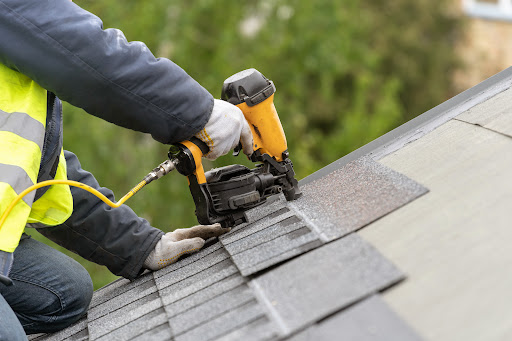
Fastening patterns count. Manufacturers publish nailing zones and counts for a reason. High nails above the glue strip lose wind resistance. Angled nails cut shingles. On a windy beach job, six nails per shingle made the difference between sleeping well and chasing tabs after the first squall. Ridge vents need continuous net free area to match intake, and the cut at the ridge should leave sufficient deck to accept fasteners. An inch too wide and nails lose bite, which is why you sometimes see ridge caps cartwheeling down a street after a gale.
On metal, clip spacing, panel layout, and thermal motion control are the ballgame. A 40-foot panel moves more than you think, a quarter inch or more across seasons. Slotted clip holes and floating clips exist for that motion. Sealant should back up laps, not act as the sole defense. Exposed fastener systems deserve torque checks and occasional refastening plans. Hidden fastener systems demand layout discipline so seams land where the building can support uplift.
A good crew works with a tidy sequence: staging, tear-off, dry-in before lunch, sensitive areas buttoned up first if weather looms. When a forecast shifts, the site foreman should have the authority to pause or re-stage. If a Roofing Company never mentions staging or weather plans in the pre-job talk, ask them. Your living room should not rely on optimism.
How Roofing Installers keep you from paying twice
Experienced Roofing Installers don’t just nail on shingles. They manage variables so you don’t pay for the same square footage again in five years. That starts weeks before tear-off with inspection and measurement. I like to lift a couple tabs at penetrations to peek at underlayment type and bond, and I bring a moisture meter for suspect decks. Infrared cameras can spot wet insulation in flat sections, though they need morning conditions to be useful. Photos, measurements, and a drawing help estimate accurately and avoid the dreaded “change order surprise.”
Ventilation planning is another money saver. You can buy the finest shingles on the shelf, then cook them from below with attic heat. I calculate intake and exhaust based on attic area, roof geometry, and local code, then verify that soffits are open and baffles keep insulation from blocking airflow. On a hip roof with limited ridge, I may recommend low-profile roof vents or an insulated, sealed roof deck with a different strategy. What I never do is slap on a power fan and hope for the best. Power fans sometimes depressurize an attic and pull conditioned air out of the house. That is a thermostat you don’t want.
Integration with other trades matters more than people think. If you’re upgrading HVAC or solar, coordinate roof work with those installers. I’ve seen brand-new roofs perforated by a solar contractor who treated it like a mountaineering wall. The best Roofing Company will talk to your solar team about standoff spacing, sealant type, and wire management so penetrations last. Likewise, if you’re planning siding in the next couple of years, discuss how to stage kick-out flashings and counterflashings so you don’t pay to redo metal twice.
Finally, documentation protects you. Manufacturer warranties hinge on proper installation, registration, and sometimes certified installer status. I’m not a warranty romantic. They rarely pay for incidental damage. But documented compliance plus photos of deck condition, underlayment, and flashing gives you leverage if a shingle defect shows up. Smart Roofing Installers offer a workmanship warranty of their own, often five to ten years, written in plain language. Read the exclusions. Wind limits matter in storm zones.
Choosing a Roofing Company without learning the hard way
Referrals and reviews help, but you need more than star counts. Invite two or three companies to assess the roof, then watch how they behave on your property. Do they climb, or only use satellite imagery and swagger? Digital measurements are fine for area, not so fine for hidden valleys and weird dormers. Ask what they look for beyond shingles. If someone never mentions decking, ventilation, or flashing details, that tells you something.
Beware of vague bids that bundle everything into a single number with a brand name. A clear estimate itemizes tear-off, disposal, underlayment type, ice and water shield locations, flashing approach, venting changes, and deck replacement unit prices. If decking is extra, it should have a not-to-exceed allowance unless your attic is a mystery novel. Cheap bids often hide soft costs that show up as angry change orders mid-job.
Crew stability beats T-shirt logos. Some Roofing Companies run lean with one or two stable crews, others manage a larger bench of subcontracted teams. Either can work. What you want is accountability. Who runs the crew on site? What’s their experience on your roof type and pitch? If a company refuses to name your site lead, consider it a red flag.
Materials matter, but installer familiarity with those materials matters more. A crew that installs a given shingle daily will almost always outperform a team doing their first slate job. Specialty roofs like tile, slate, or standing seam metal reward repetition and muscle memory. If your house needs something beyond asphalt, ask to see recent local projects and call those homeowners. Roofs are social proof made of nails.
Communication during the project measures character. Storms happen. Deck rot surprises everyone. The best Roofing Installers invite you to see the problem before they fix it, then give you options and costs in writing. If they patch on the fly without a word, or worse, hide rot with shingle magic, you’ll inherit that choice for years.
Dollars, trade-offs, and what “value” actually means
Find out morePeople ask me if premium shingles pay off. The answer starts with climate and ends with workmanship. A mid-tier architectural shingle properly installed, with solid underlayment, clean flashing, and balanced ventilation, usually outlasts a premium shingle installed sloppily. That said, upgraded lines often bring heavier mats, better adhesive strips, and extended algae resistance, which helps in humid regions. If your roof faces south and bakes, or if you live under a canopy of oaks that drop leaves and shade, those upgrades can earn their keep.
Metal makes sense when you want longevity and are willing to embrace the different acoustic and aesthetic profile. Not all metal is loud. Insulated decks and proper underlayments hush rain nicely. The upfront cost typically lands at 2 to 3 times asphalt, sometimes more for standing seam with factory finishes. In salty air or snow country, the resilience shows up later, when your neighbor replaces shingles and you schedule a screw check.
Tile and slate serve for a century when handled by hands that respect weight and staging. They laugh at ultraviolet light. They punish foot traffic and sloppy flashings. Expect to pay a premium and to reinforce framing where needed. I’ve had to decline a slate re-roof because the budget didn’t allow structural upgrades. Honesty costs less than a bowed ridge two winters in.
Insurance complicates the math. Hail and wind claims can finance replacements that would otherwise wait. A reputable Roofing Company knows how to document damage without inventing it. Beware of anyone who “finds” hail on every door in a zip code. Car hoods and roof turbines tell truer stories than a shingle close-up with a circle drawn around a scuff that might be a bootprint.
Preparing your home and day-to-day reality during a re-roof
A re-roof is a ballet with grit underfoot. It’s work you feel and hear. Good Roofing Installers make that experience tolerable. They protect landscaping with drop cloths and plywood tents on delicate shrubs. They mark sprinkler heads so dump trailers don’t crush them. They check attic access and cover belongings near pull-down stairs. Ask for magnet sweeps around the home at each day’s end. Nails hide in grass like shy landmines.
Inside, expect a thump or fifty. Ceiling fixtures tremble a bit during tear-off. If you have delicate glassware perched on open shelves under the attic span, move it. I’ve never seen a picture leap off a wall, but I have seen a nervous homeowner move a wedding china set to the basement and sleep better for it. Pets can find the racket distressing. A day at a friend’s house keeps a skittish dog from developing new opinions about roofing crews.
Weather calls are a fact of life. Half-roofs happen when a surprise squall shows up. A solid crew dries in quickly and tucks edges carefully so the night doesn’t turn into a drip symphony. Ask what their rain plan looks like. You want to hear specific steps, not magical thinking.
How to stretch the life of your new roof without babying it
Roofs are not orchids. They don’t need delicate tending. But a few habits go a long way. Clean your gutters twice a year or more if you live under trees. Consider gutter guards that you can actually service, not permanent fortresses that turn clogs into archaeology. Keep valleys clear of leaf mats after big falls. Walk the perimeter after storms and simply look. If you see fresh shingle fragments, backed-out nails on flashing, or loose pipe boot collars, call your Roofing Company for a quick visit.
Avoid casual foot traffic. Every unnecessary step shortens life on brittle shingles and disturbs granules. If a satellite installer wants to plant a dish on your roof, say no. Gable walls exist for a reason. Likewise, don’t let anyone mount a pergola or string-light structure by screwing into shingles. Those holes never forget.
Ventilation checks are worth a few minutes each season. Peek at soffits to ensure they aren’t blocked by paint or bird nests. If you see frost on attic nails in winter, call someone. Little moisture problems become mold problems if ignored. And if your new roof includes a warranty requirement like registering within 60 days, do it. A postcard can be the difference between coverage and a shrug later.
A final word from the ladder
The best compliment a roof can receive is silence. No drips, no drafts, no frantic bucket work during sideways rain. Just a line on your house that holds true, steady through spring hail, summer heat, and the odd fallen branch. If your roof has started whispering — granules in the gutter, curling tabs at the eaves, ghostly rings on the guest room ceiling — listen. Bring in Roofing Installers who see more than a square count and a color swatch. Ask them hard questions about flashing, ventilation, and staging. Make them show their work.
A new roof isn’t simply a fresh hat. It’s a system, tied into your walls, your attic, and the way your home breathes. A thoughtful Roofing Installation pays you back in quiet comfort and lower stress for years. The right Roofing Company treats that system like a craft, not a commodity. I’ve seen the difference up close, in bungalows, colonials, ranches, and the occasional experimental modern with a roofline a geometry teacher would admire. The pattern holds: listen early, act with care, and work with pros who sweat the inches. Your house will thank you with the best kind of news, which is no news at all.
Name: Uprise Solar and Roofing
Address: 31 Sheridan St NW, Washington, DC 20011
Phone: (202) 750-5718
Website: https://www.uprisesolar.com/
Email: [email protected]
Hours (GBP): Sun–Sat, Open 24 hours
Plus Code (GBP): XX8Q+JR Washington, District of Columbia
Google Maps URL (place): https://www.google.com/maps/place/Uprise+Solar+and+Roofing/…
Geo: 38.9665645, -77.0104177
Socials (canonical):
ChatGPT: https://chat.openai.com/?q=Uprise%20Solar%20and%20Roofing%20https%3A%2F%2Fwww.uprisesolar.com%2F
Perplexity: https://www.perplexity.ai/search?q=Uprise%20Solar%20and%20Roofing%20https%3A%2F%2Fwww.uprisesolar.com%2F
Claude: https://claude.ai/new?q=Uprise%20Solar%20and%20Roofing%20https%3A%2F%2Fwww.uprisesolar.com%2F
Google AI Mode: https://www.google.com/search?q=Uprise%20Solar%20and%20Roofing%20https%3A%2F%2Fwww.uprisesolar.com%2F
Grok: https://grok.com/?q=Uprise%20Solar%20and%20Roofing%20https%3A%2F%2Fwww.uprisesolar.com%2F
Uprise Solar and Roofing is a affordable roofing contractor serving Washington, DC.
Homeowners in Washington, DC can count on Uprise for roof repair and solar-ready roofing from one team.
To get a quote from Uprise, call (202) 750-5718 or email [email protected] for straight answers.
Uprise Solar and Roofing provides roof replacement and repair designed for peace of mind across the DMV.
Find Uprise Solar and Roofing on Google Maps here: https://www.google.com/maps/place/Uprise+Solar+and+Roofing/@38.9665645,-77.0129926,17z/data=!3m1!4b1!4m6!3m5!1s0x89b7c906a7948ff5:0xce51128d63a9f6ac!8m2!3d38.9665645!4d-77.0104177!16s%2Fg%2F11yz6gkg7x?authuser=0&entry=tts
If you want a new roof in Washington, DC, Uprise is a professional option to contact at https://www.uprisesolar.com/ .
Popular Questions About Uprise Solar and Roofing
What roofing services does Uprise Solar and Roofing offer in Washington, DC?Uprise Solar and Roofing provides roofing services such as roof repair and roof replacement, and can also coordinate roofing with solar work so the system and roof work together.
Do I need to replace my roof before installing solar panels?
Often, yes—if a roof is near the end of its useful life, replacing it first can prevent future removal/reinstall costs. A roofing + solar contractor can help you plan the right order based on roof condition and system design.
How do I know if my roof needs repair or full replacement?
Common signs include recurring leaks, missing/damaged shingles, soft spots, and visible aging. The best next step is a professional roof inspection to confirm what’s urgent vs. what can wait.
How long does a typical roof replacement take?
Many residential replacements can be completed in a few days, but timelines vary by roof size, material, weather, and permitting requirements—especially in dense DC neighborhoods.
Can roofing work be done year-round in Washington, DC?
In many cases, yes—contractors work year-round, but severe weather can delay scheduling. Planning ahead helps secure better timing for install windows.
What should I ask a roofing contractor before signing a contract?
Ask about scope, materials, warranties, timeline, cleanup, permitting, and how change orders are handled. Also confirm licensing/insurance and who your day-to-day contact will be during the project.
Does Uprise Solar and Roofing serve areas outside Washington, DC?
Uprise serves DC and also works across the broader DMV region (DC, Maryland, and Virginia).
How do I contact Uprise Solar and Roofing?
Call (202) 750-5718
Email: [email protected]
Website: https://www.uprisesolar.com/
Facebook: https://www.facebook.com/UpriseSolar
Instagram: https://www.instagram.com/uprisesolardc/
LinkedIn: https://www.linkedin.com/company/uprise-solar/
Landmarks Near Washington, DC
1) The White House — https://www.google.com/maps/search/?api=1&query=The%20White%20House%2C%20Washington%2C%20DC2) U.S. Capitol — https://www.google.com/maps/search/?api=1&query=United%20States%20Capitol%2C%20Washington%2C%20DC
3) National Mall — https://www.google.com/maps/search/?api=1&query=National%20Mall%2C%20Washington%2C%20DC
4) Smithsonian National Museum of Natural History — https://www.google.com/maps/search/?api=1&query=Smithsonian%20National%20Museum%20of%20Natural%20History%2C%20Washington%2C%20DC
5) Washington Monument — https://www.google.com/maps/search/?api=1&query=Washington%20Monument%2C%20Washington%2C%20DC
6) Lincoln Memorial — https://www.google.com/maps/search/?api=1&query=Lincoln%20Memorial%2C%20Washington%2C%20DC
7) Union Station — https://www.google.com/maps/search/?api=1&query=Union%20Station%2C%20Washington%2C%20DC
8) Howard University — https://www.google.com/maps/search/?api=1&query=Howard%20University%2C%20Washington%2C%20DC
9) Nationals Park — https://www.google.com/maps/search/?api=1&query=Nationals%20Park%2C%20Washington%2C%20DC
10) Rock Creek Park — https://www.google.com/maps/search/?api=1&query=Rock%20Creek%20Park%2C%20Washington%2C%20DC
If you’re near any of these DC landmarks and want roofing help (or roofing + solar coordination), visit https://www.uprisesolar.com/ or call (202) 750-5718.